Beth Chatto and the Idea Behind Right Plant Right Place
How Beth Chatto's gardening philosophy - matching plants to their conditions rather than fighting nature - inspired a generation and shaped our approach.

Michael Johnson
Founder & Head Gardener
Michael is the founder of Right Plant Right Place and a passionate gardener with several years of experience designing and maintaining gardens.
Expertise
- Garden design
- Plant selection for challenging conditions
- Sustainable gardening practices
- Shade gardening
Most gardeners have heard the phrase “right plant, right place” at some point, even if they’re not sure where it comes from. It’s one of those ideas that sounds obvious once you hear it - match plants to the conditions they naturally enjoy, rather than trying to force something unsuitable to grow. But when Beth Chatto started putting this principle into practice in the 1960s, it was a genuinely radical way to think about gardens.
A Life Shaped by Plants
Beth Chatto was born Bessie Diana Little in 1923 at Good Easter, a small village in Essex. Her parents were keen gardeners, and that early exposure clearly stuck. She trained as a teacher at Hockerill College in Bishop’s Stortford, but it was her marriage to Andrew Chatto in 1943 that set the course for her life’s work.
Andrew was a fruit farmer and a quiet, obsessive researcher into the origins of garden plants - where they came from in the wild, what conditions they evolved in, and what that meant for how they should be grown. He spent decades compiling ecological information about ornamental plants, filling notebooks with data about their native habitats. Beth took that research and turned it into something practical: a way of gardening that worked with nature rather than against it.
The couple moved to Elmstead Market in Essex in 1960, into a new house built on part of their fruit farm. The land around it had never been properly cultivated. Parts were bone-dry gravel, other parts were waterlogged, and the whole area was overrun with blackthorn, willow, and brambles. It was, by most measures, terrible gardening land.
Beth saw it differently.
The Beth Chatto Gardens
Rather than trying to impose a single vision on the whole site, Beth worked with what was already there. The dry, sun-baked areas became the Gravel Garden. The boggy ground became the Water Garden. The areas beneath the mature oaks became the Woodland Garden. Each part of the 7-acre site was planted with species that genuinely thrived in those specific conditions - not plants that merely tolerated them.
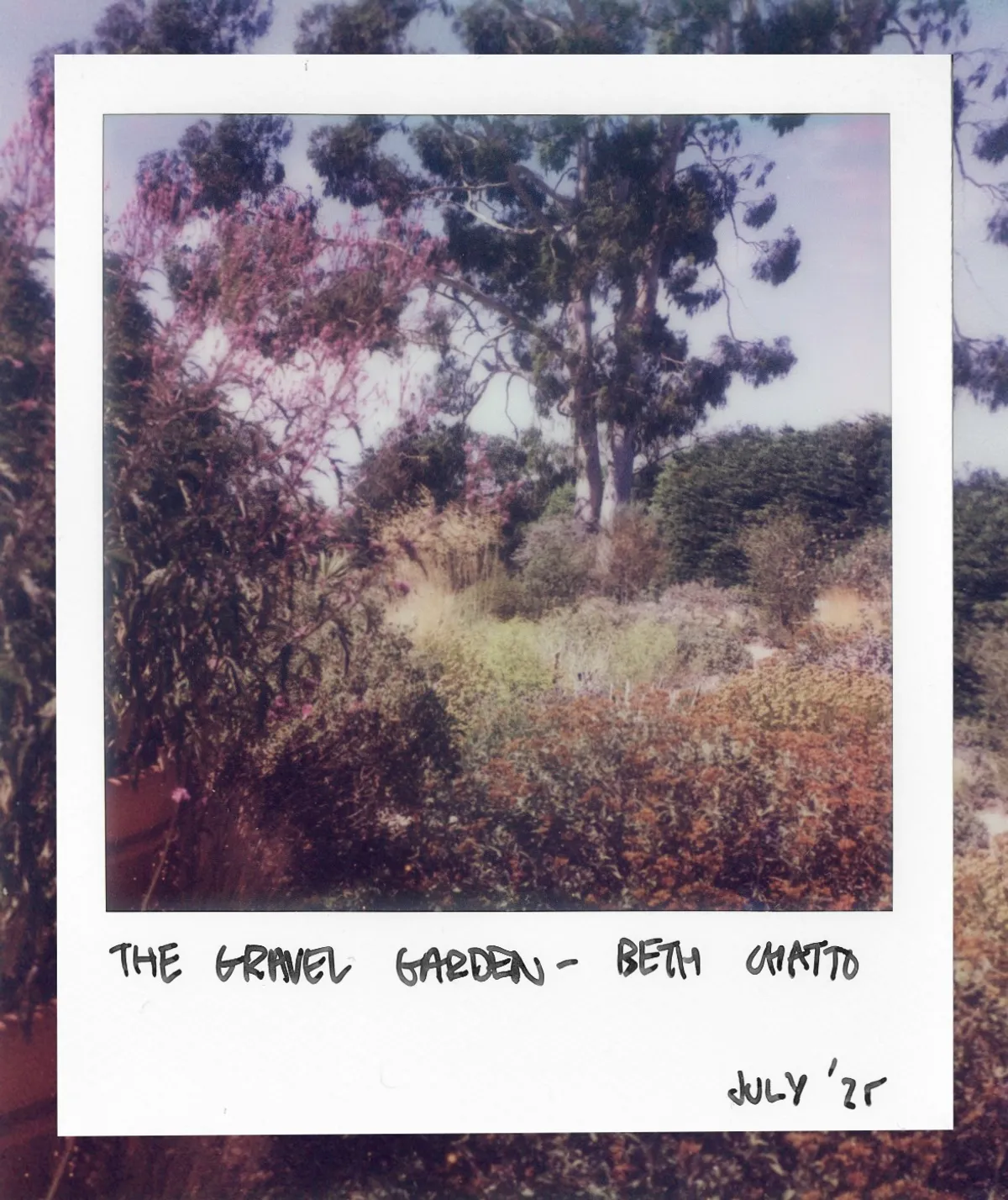
The Gravel Garden is probably the most famous part. Created in 1991 from an old car park, it has never been irrigated - not once. Everything growing there survives on rainfall alone, which in that part of Essex is surprisingly low. It demonstrated something that many gardeners still struggle to believe: that dry, poor soil isn’t a problem to be solved. It’s a set of conditions to be planted for.
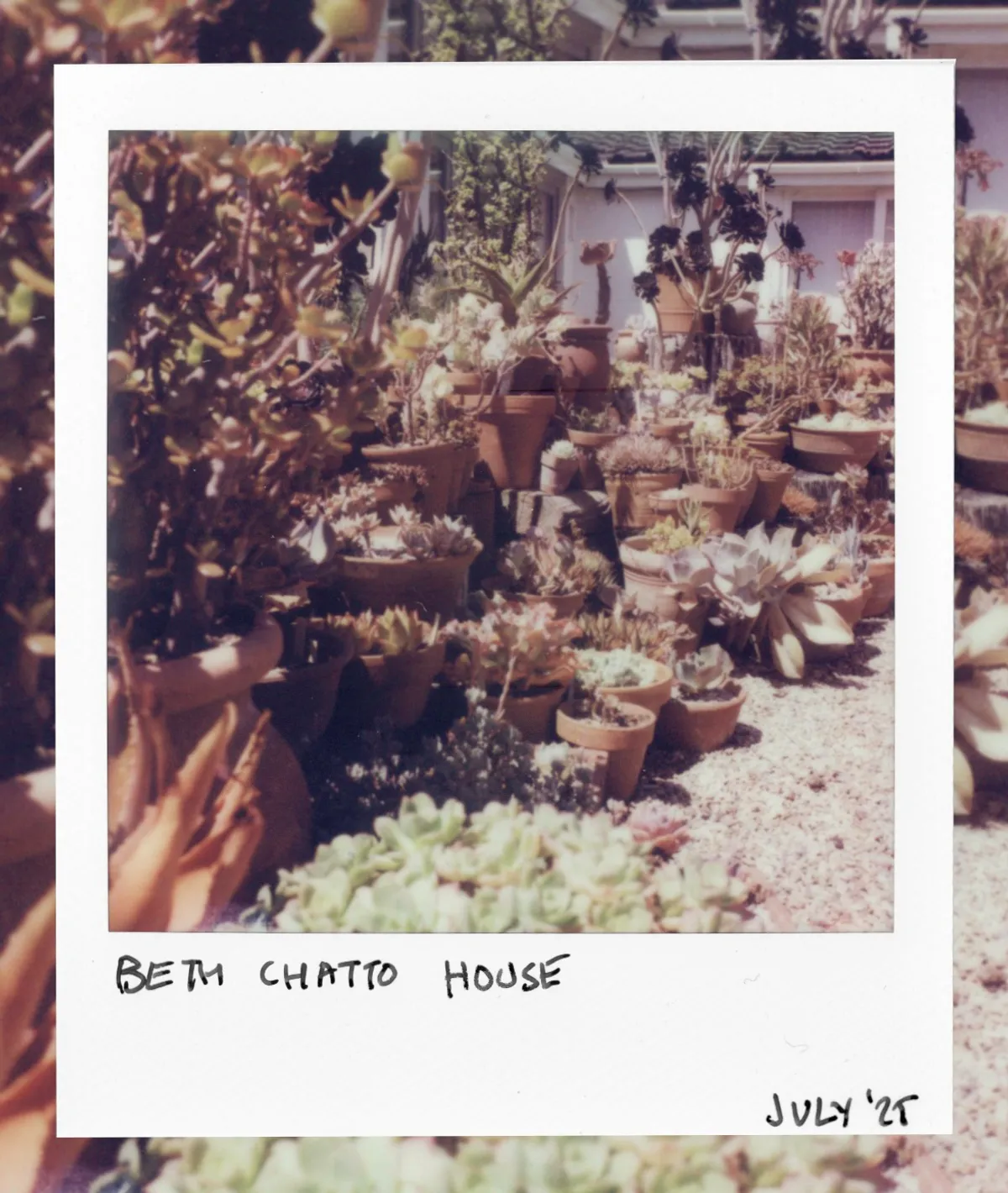
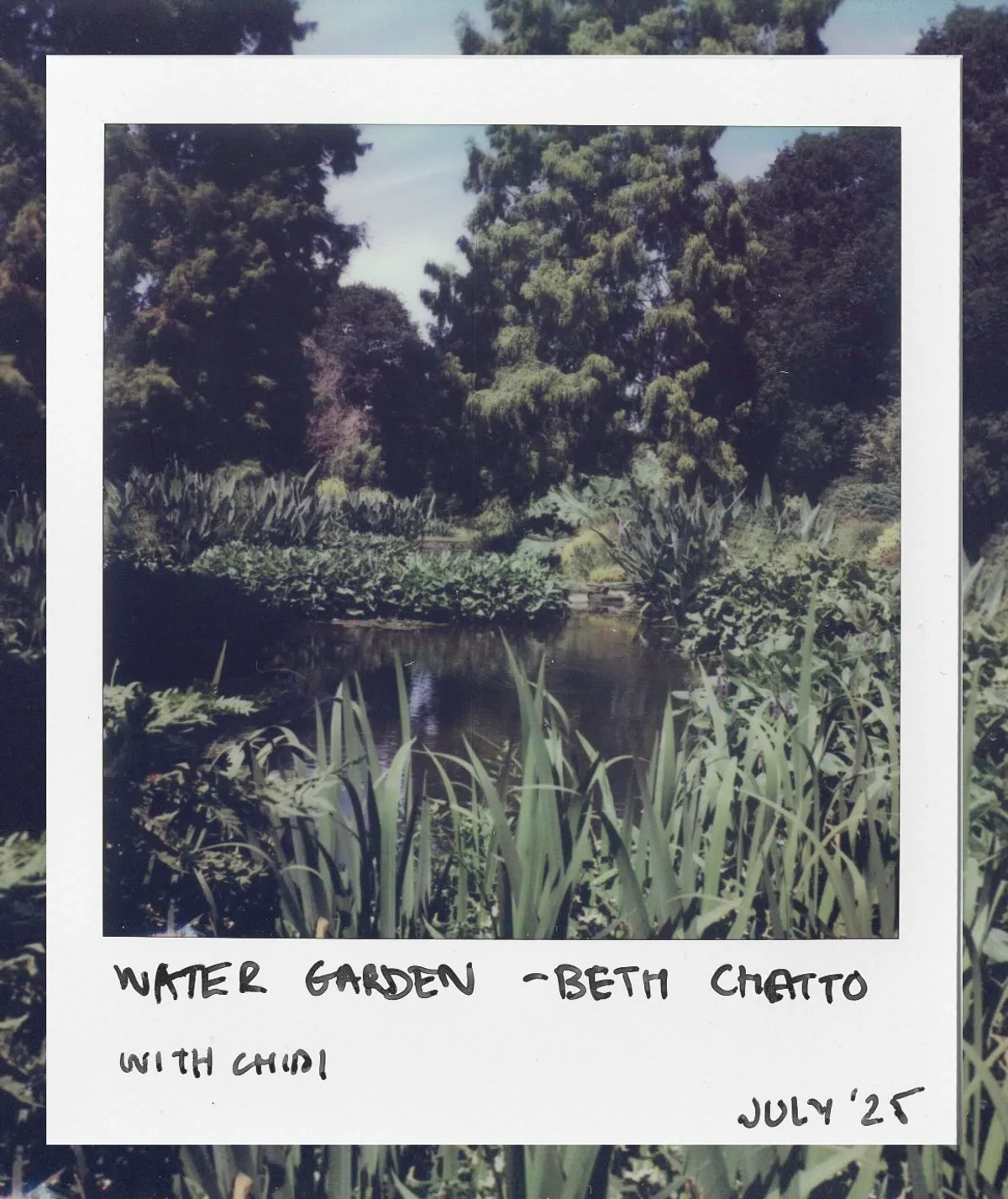
The Water Garden tells the opposite story. Where other gardeners might have drained boggy ground and tried to create conventional borders, Beth planted moisture-loving species along the margins of natural ponds. Irises, ligularias, hostas, and gunnera thrive there because the conditions suit them perfectly.
Why It Matters
Beth Chatto wrote several books that brought these ideas to a wider audience. The Dry Garden (1978), The Damp Garden (1982), and Beth Chatto’s Gravel Garden (2000) all focused on gardening in specific conditions - the difficult spots that most books glossed over or treated as problems. She lectured on these ideas across Britain, North America, Australia, the Netherlands, and Germany, and became one of the most influential garden writers of the twentieth century. She was awarded the OBE and the Royal Horticultural Society’s Victoria Medal of Honour.
What made her approach so useful was its simplicity. You don’t need to change your soil, install drainage, or set up irrigation systems. You need to understand what you’ve got and choose plants that evolved to live in exactly those conditions. A shady, damp corner under a tree isn’t failing - it’s a woodland habitat waiting for the right plants. A hot, dry strip along a south-facing wall isn’t difficult - it’s a Mediterranean garden in waiting.
Beth continued to inspect and approve work in her gardens until the day before she died, at the age of 94, in May 2018. Her husband Andrew had pre-deceased her by almost twenty years, but the research he began continues to inform how we think about plant selection today.
The Principle in Practice
The idea at the heart of Beth Chatto’s work - understanding your conditions first, then choosing plants that belong there - is exactly the principle behind Right Plant Right Place. It’s not a coincidence that the name is borrowed from her philosophy.
If you’ve visited the Beth Chatto Gardens and felt inspired by what’s possible when you stop fighting your conditions and start working with them, the app is designed to help you apply that same thinking to your own garden. It analyses the light conditions in your space - the shade under your trees, the sun against your walls, the dappled areas in between - and matches you with plants from a database of over 9,700 species that suit those exact conditions.
You don’t need 7 acres or decades of experience. You just need to know what you’re working with. Beth Chatto proved that the most beautiful gardens come from understanding your site, and that’s the starting point for everything we do.
Visiting the Beth Chatto Gardens
The Beth Chatto Gardens are open to the public at Elmstead Market, near Colchester in Essex. There’s also a nursery on site where you can buy many of the plants you’ll see growing in the gardens - which is a good way to go home with something you know will work, because you’ve already seen it thriving.
If you’re planning a visit, the Gravel Garden is at its best from late spring through summer, while the Water Garden is lush from May onwards. The Woodland Garden is worth visiting in early spring when the hellebores and bulbs are flowering. Each area demonstrates the same core idea: plants chosen to match their conditions will always look better and need less work than plants chosen for any other reason.
Ready to plan your garden?
The Right Plant Right Place app can analyse your specific garden conditions and suggest plants that will thrive in your space.
Get Started Free